Bail sits at the uneasy intersection of regulation, cash, and human urgency. Households call at twelve o'clock at night, employers ask sharp questions in the morning, and judges make decisions in minutes that can improve a defendant's following year. In that stress stove, myth spreads quickly. I have spent years talking with people on courthouse steps, in confined living-room, and across scratched workdesks at bond offices. The exact same misconceptions maintain emerging, commonly with serious effects. Cleaning them up does not make the system best, however it does assist people make smarter choices when the stakes are high.
What bail in fact does, not what people assume it does
Bail is meant to be a conditional launch device. It is an assurance, protected by cash or a bond, that the offender will certainly come back to court and adhere to particular policies. When a court establishes bail, the court is not proclaiming any individual guilty, and it is not marketing flexibility to the highest possible bidder. The underlying logic is simple: create an incentive solid sufficient that the person will appear for hearings and follow orders. The tools differ by territory, but the usual choices include release on recognizance, unsafe bonds, money bond, and guaranty bonds via an accredited bail bonds agent.
A guaranty bond is not cash inserted a staff's window. It is a three-party contract: the court, the offender, and the surety business represented by a bond agent. The surety guarantees the court the full bail amount if the defendant fails to show up. In exchange, the accused or a cosigner pays a nonrefundable premium, typically a percentage of the bond set by the judge. That premium is exactly how the bond company earns profits. The surety underwriting analyzes risk, much like any kind of insurance policy product, after that sets problems that attempt to bring that threat to heel.
Myth 1: Paying a bail bonds superior buys "liberty" forever
People often deal with the bondsman's receipt like a ticket that can not be reclaimed. That is not just how it works. The costs purchases a service: the surety firm's assurance to the court, plus continuous supervision as needed. The bond stays in area just while the accused adheres to problems. Miss a court day without a lawfully acceptable excuse, and the bond can be revoked. Violate no-contact orders, grab a brand-new crime, avoid check-ins, or disappear from known addresses, and the representative has a legal right to surrender the defendant back to custody. I have sat with households angry that an enjoyed one was gone back to prison after numerous missed call-ins. They really felt blindsided. No one had actually described exactly how the obligations continue till the case is totally solved and the bond is vindicated by the court.
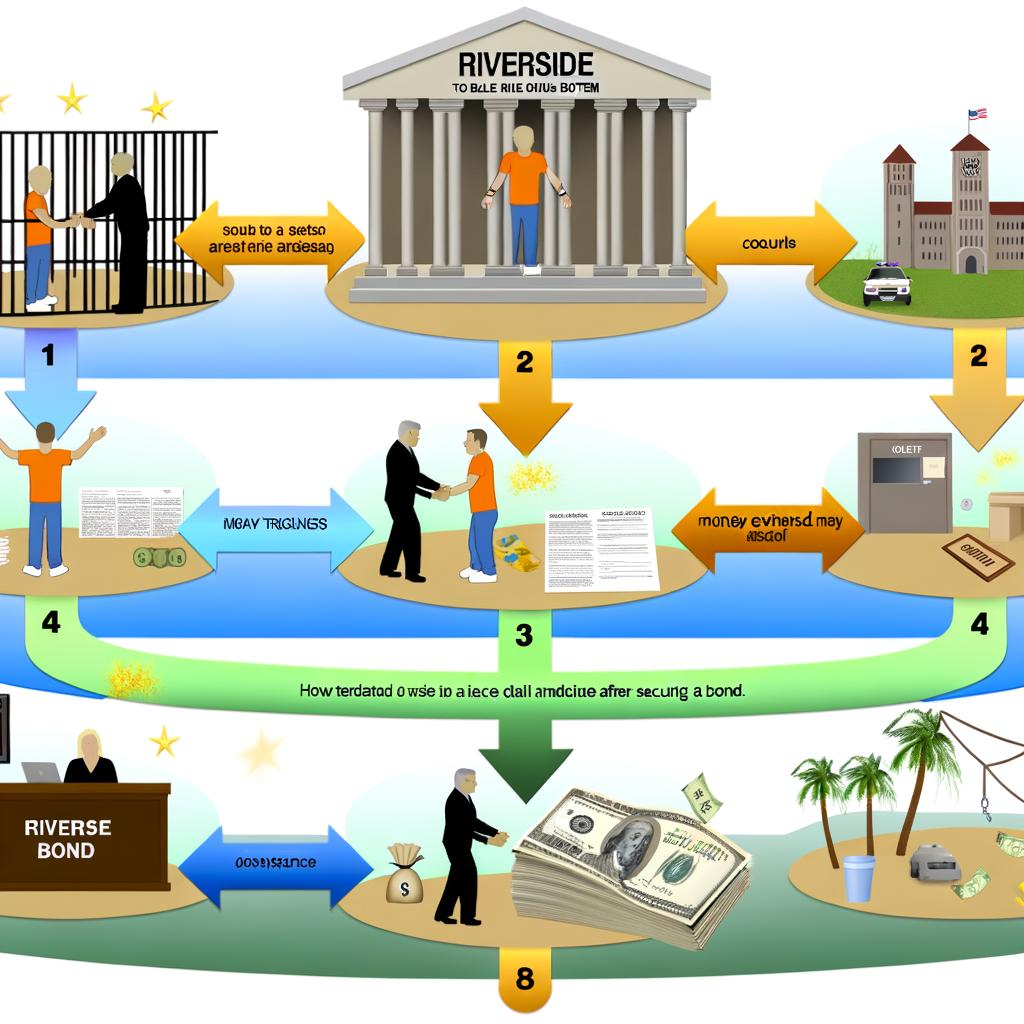

The length of that commitment shocks many people. Misdemeanor instances may resolve in a few months, however felonies can extend a year or even more, especially with activities, laboratory stockpiles, or trial congestion. The bond stays energetic the whole time, and the obligations stay active too.
Myth 2: The sum total paid to a bail bondsman is refunded once the instance ends
Refunds come from pay bond, not to guaranty bonds. If you post cash directly with the court, you may get most or all of it when the case wraps up, minus any type of penalties or legal charges. With a guaranty bond, the costs is nonrefundable, even if the case is rejected at the opening night. Think about it as spending for an assurance and the risk the surety assumed the moment the bond was filed. I have seen clients attempt to relax a bond two weeks later after discovering a family member going to upload money. When a bond is published, the premium is gained. Ask these inquiries in advance: what is the costs, what are any kind of add-on fees, and when are those charges earned?
In some states, regulatory authorities top the portion a bond agent can bill. In others, market prices and company plans control it. Either way, no reliable bail bondsman will guarantee a reimbursement of the premium due to the fact that once coverage begins, that ship sails.
Myth 3: Bail amounts signal regret or innocence
A high bond can seem like punishment, but it is not a verdict. Courts are legitimately obliged to weigh trip risk and public security, making use of variables like the claimed crime, prior failings to show up, connections to the area, and, in some jurisdictions, verified risk assessment tools. I have actually viewed courts established low bail on serious fees when the person had twenty years at the same address, a constant job, and family members filling up the gallery. I have additionally seen high bail on low-level charges since the offender had a lengthy history of not showing up. Bond is a computation regarding future behavior. The probabilities are imperfect, however the objective is not to mete out penalty ahead of a trial.
It is also important to keep in mind that not every case includes bail. Some accuseds are launched on recognizance, specifically on lower-level offenses with strong community ties. Others are detained without bail when laws permit, typically for the most major charges or demonstrable threats to public safety. The absence of a bail choice does not suggest someone avoided a step; it means the regulation and realities, as reviewed by the court, point because direction.
Myth 4: A cosigner is just doing a favor, declining risk
Cosigning a bond is a serious economic dedication. In practical terms, a cosigner is guaranteeing the offender and promising to pay the complete bail quantity if the court orders forfeiture and the guaranty needs to please the judgment. In lots of contracts, the cosigner additionally agrees to protect the surety from losses, which can consist of examination prices, avoid tracing, traveling, and fugitive healing expenses.
Real example: a mom cosigned a bond for her adult child with a $35,000 face amount. The kid missed two hearings and left the state. The guaranty worked with bounty healing employees who found him six weeks later. By then, the court had actually released a forfeiture. The guaranty paid court costs to set aside the forfeit and billed the cosigner for recuperation expenditures. Nothing about that felt like an informal support once the invoices showed up. If you are thinking about cosigning, press for a complete explanation of your obligations. Request for a plain-language recap and check out the indemnity arrangement. If any kind of term is unclear, pause and get it made clear prior to you sign.
Myth 5: If you miss one hearing, the bond is immediately shed forever
Failure to appear is serious, yet not constantly last. Courts recognize that life occurs. Vehicles damage down, notifications obtain misrouted, medical emergency situations occur. Many territories permit a home window to repair the failure without irreversible forfeiture. The key is to act quickly. Get in touch with your attorney and the bondsman immediately, discuss the circumstances, and obtain a new day on the calendar. Bring documents to court, even if it is as straightforward as repair receipts or medical facility charts. I have actually viewed courts remember warrants in minutes when a defendant turned up promptly with proof. I have actually likewise seen months of unnecessary protection because a person hid of shame after missing one hearing.
The bail bondsman's mindset typically tracks your feedback. If you are positive, you keep them as an ally. If you https://jeffreyduhg083.lowescouponn.com/just-how-to-deal-with-a-bench-warrant-while-on-bond stay clear of telephone calls and vanish, they move right into risk-control mode and will likely initiate abandonment or recuperation actions. A missed day is reparable. Silence makes it far harder.
Myth 6: Bail bonds are aggressive by definition
Bail is a business, and companies can be predative or liable. I have fulfilled representatives that treat clients like numbers and press scrap fees into contracts. I have actually also satisfied representatives that take late-night calls from frantic moms and dads and invest an hour describing the process without billing a penny. The structure itself is not predative. The methods can be.
Two factors help you evaluate the difference. Initially, openness: clear costs, clear fees, no rushed signatures, and uncomplicated explanations concerning the responsibilities. Second, responsiveness: will the representative grab the phone two months from now when a court date steps, or will they vanish? Try to find licensing and standing with your state regulator, request for referrals, and depend on your instincts. If an office refuses to offer a written cost timetable or dodges direct inquiries, walk.
Myth 7: Only rich people can utilize bail bonds
Bail bonds exist in part due to the fact that money bail is out of reach for the majority of offenders. If a judge sets bond at $50,000, extremely few households can upload that amount directly. The surety bond is the device that lets someone safe and secure launch by paying a premium rather, normally a portion of the full amount. For many functioning families, that still injures. I have actually seen people cobble with each other cash from good friends, market a cars and truck, or utilize layaway plan. Some firms approve collateral to reduce ahead of time price. Others supply gliding scales or price cuts as allowed by law. If price is the obstacle, inquire about structured payments, and ensure you understand what causes a default and what takes place if a settlement is missed.
There are likewise territories that limit or eliminate cash bail for lots of offenses, replacing it with recognizance launches and supervision conditions. In those locations, a bail bond might be unnecessary for low-level cases, and the bond market concentrates on higher-risk situations.
Myth 8: Missing town is a clever method to prevent trouble
The concept that leaving the state or hiding out will certainly make a situation vanish is both common and wrong. Failing to show up triggers a warrant, which gets in statewide data sources and often national ones too. Website traffic quits lead to apprehensions years later on. On the other hand, the missed out on look sets judges' attitudes on future bail, increases the probabilities of pretrial apprehension, and can produce separate criminal charges. In addition to that, the surety has effective incentives to locate you. Recuperation teams most likely to known addresses, call employers, talk to next-door neighbors, and inspect social networks. I have actually watched a man jailed at a barbeque two years after avoiding, in front of loved ones who believed the situation had vanished. He had not bought peace, he had gotten a bigger problem.
The smarter course is to handle the case directly. If you are overloaded or are afraid a poor result, talk with advice. Juries and prosecutors are human, and systems frequently compensate timely interaction with even more options than people expect.
Myth 9: Ankle joint displays, check-ins, and drug tests are optional
Judges combine bond with problems. Those problems are not decoration. They are enforceable, and breaking them can cost you your flexibility. Treatment programs, no-contact orders, work demands, and general practitioner tracking all kind part of the bond environment in lots of counties. I have seen bonds revoked for duplicated time limit violations, also when the person never missed court. On the other hand, I have seen judges give credit rating to accuseds who showed conformity for months, which helped in appeal arrangements or at sentencing. If a condition is impracticable, increase it with your attorney instantly. You might be stunned at the flexibility courts show when presented with a sensible choice and a performance history of great faith.
Myth 10: If the case gets dismissed, I never owed anything
Dismissal finishes the criminal instance, and it generally leads the court to vindicate the bond. That stops future obligations, however it does not relax the past. The premium to the bail representative stays made, and any type of agreed administrative fees or costs are still due if you incurred them. If collateral was published, it should be returned quickly after exoneration, assuming no impressive equilibriums. Keep copies of the exoneration order and routine time with the agent to close the documents. Sometimes, documentation bottlenecks delay collateral release. Pressure relocations quicker when you can affix the court document that ends the bond.
Myth 11: Calling a bondsman injures my lawful case
People often worry that including a bail bonds representative will certainly upset the court or signal something unfavorable to the prosecutor. Courts do not care that publishes the bond, as long as the bond is valid and the conditions are clear. As a matter of fact, many courts favor a skilled bondsman on higher-risk instances, since it indicates somebody will certainly keep an eye on compliance and ensure the accused reaches court. Defense attorneys consistently collaborate with bond agents, especially when organizing abandonment on a warrant with same-day release. A short call can minimize time in guardianship by days.
Myth 12: A greater costs purchases much better service and warranties outcomes
Service varies by company, but the costs rate is typically repaired by law or typical technique. Paying a lot more does not buy a different lawful end result. What you desire is an agent who responds to the phone, recognizes local court rhythms, and has clear interior procedures. I as soon as watched 2 codefendants post bonds within hours of each other with various business. One business missed out on a new court notice and practically caused a failing to show up. The other called the client twice, after that texted the new time and place. The distinction had nothing to do with cost and whatever to do with procedure and accountability.
Myth 13: Bail schedules are set in stone
Many counties publish bond schedules that supply default amounts based upon fee types. They are beginning points, not destiny. Defense attorney can request deviation from the routine at the first appearance, suggesting that the individual is a reduced trip risk or that nonmonetary conditions would be enough. Prosecutors suggest the other instructions. Juries make the phone call. Whenever possible, show up with concrete realities: proof of residence, work letters, healthcare responsibilities, child care needs, or enrollment in treatment. Numbers on a grid hardly ever record the complexity of a life. Judges reply to documented detail more than to appeals for mercy.
Myth 14: Collateral means you will most definitely shed your property
Collateral is security, not a charge. If the offender pleases all problems and the bond is vindicated, collateral needs to be launched. Problems occur when individuals stop interacting. I remember a case where a family pledged a vehicle title for collateral on a $20,000 bond. The case finished, the bond was vindicated, and the representative sent by mail a launch to an old address. 6 months later the household complained that the bail bondsman was "maintaining the truck." In truth, the title paperwork sat in a cabinet. A 15-minute see to the office with the court's exoneration order fixed it. Maintain your contact details updated with the agent and schedule a follow-up the week after exoneration.
Myth 15: Public defenders can not help with bail
Public defenders take care of bond debates daily. The photo of an overworked attorney that shows up late and mumbles via a hearing disregards how most accusations in fact run. I have enjoyed public defenders persuade judges to lower bond by countless bucks with targeted arguments and validated realities. If you get appointed advise, inquire to deal with bail clearly. Bring documents to help them advocate: lease arrangements, pay stubs, letters from companies, or proof of college enrollment. Attorneys can present facts, yet they need raw material from you to be effective.
What liable use of bail bonds looks like
Good outcomes start with quality. Households that ask exact inquiries before signing tend to have smoother paths via the procedure. Offenders that deal with check-ins like work demands and court like a standing visit construct reputation with judges that pays off later. If you utilize a bail agent, keep every little thing in composing. If you move, update call information in 3 areas: notary, defense counsel, and the bail bondsman. When something fails, pick up the phone the very same day.
Here is a short, practical checklist for anyone taking into consideration a bail bond:
- Ask the representative to note the premium, fees, and security terms in writing, with examples of when each ends up being nonrefundable. Request a plain-language recap of your obligations and what activates surrender. Confirm just how the company connects court date modifications and what occurs after a missed call or appointment. Verify licensing with your state regulatory authority and read testimonials with an eye for specific information, not common praise. Keep copies of every file, particularly the bond, receipts, and any kind of exoneration orders.
Edge instances that trip people up
Out-of-state defendants face unique obstacles. A court may need higher bail or demand added problems, being afraid flight threat. Some bond agents restrict coverage to in-state instances or charge additional charges for supervision throughout state lines. If you live in other places, say so very early and plan for how you will participate in every hearing. Video clip looks are much more common now in some territories, however do not assume they are available in your case.
Co-defendant characteristics can make complex matters. Imagine two individuals charged with each other. One adheres to all conditions, the other does not. The 2nd individual's failing to show up can develop stress and anxiety for the first, specifically if the exact same cosigner or collateral covers both bonds. The service is splitting up: 2 bonds, 2 data, 2 sets of collateral. Shared arrangements save time in advance and create migraines later on. Insist on clarity.
Immigration holds include an additional layer. If an accused has an ICE detainer, posting a state court bond might just transfer the person from region custodianship to government guardianship. Families must consult with a migration attorney before publishing. In some scenarios, waiting to fix the detainer or looking for various relief saves cash and stays clear of an unproductive transfer.
How reforms transform the picture
Bail policy is shifting in many states. Some have actually removed cash money bond for low-level offenses, increased pretrial solutions, or restricted using economic problems. Doubters suggest regarding public security impacts, and the data remains mixed across territories. For practical purposes, accuseds should expect much more regular use of nonmonetary problems, like check-ins, therapy, and kept track of release. Bail bonds still occupy a function, mainly where judges think financial skin in the game is required to handle threat. If you live in a reforming territory, ask your attorney to describe whether you get approved for recognizance launch or monitored release. Occasionally a solid plan, presented at the first hearing, makes the distinction in between a bond and a signature.
When to choose cash bond rather than a surety bond
If you can manage it without endangering lease, food, or job security, uploading cash bail has advantages. You avoid premiums and charges, and you maintain the utilize in your very own hands. Courts return money when the situation finishes, minus deductions for penalties, expenses, or restitution. Money bond likewise removes the bondsman from the triangle, which can streamline interaction. That stated, money places much more immediate cash in jeopardy if the accused misses out on court. Families need to evaluate that danger honestly. I have actually seen people post cash money for a dependable sibling with a spotless participation history and choose a bond for a relative with disorderly housing and occasional contact.
The real expense of pretrial detention
Even a few days in jail can cost a work, stress a family, interrupt treatment, and make future court success harder. Employers hardly ever hold positions open for long. Youngsters really feel the shock in your home. Individuals with chronic problems lose accessibility to drug until the jail's consumption process catches up, which often takes days. On the other hand, hurrying into a bad bond establishes months of tension and prospective financial damage. The best inquiry is not just "Just how quick can we get out?" but "How do we get out in a way we can sustain?" A careful hour at the start frequently saves weeks of grief later.
Practical discussions to have before you sign
It helps to deal with the bond like a task with clear functions. The defendant must devote to punctuality, interaction, and compliance. The cosigner requires to be confident they can get to the accused and have the authority to press when needed. The bail bondsman ought to lay out assumptions and give reputable call networks. Document court dates on a shared schedule, set automated suggestions, and determine who drives to hearings. Little logistical steps protect against big problems.
One family members I collaborated with put the offender's hearing timetable on a fridge whiteboard and asked a relative to be the designated vehicle driver for every single court day. They maintained receipts of check-ins, drug tests, and therapy sessions in a folder. When an organizing mix-up took place, they produced that folder in court. The court saw a system, not mayhem, and gave them space to take care of the trouble without revocation.
Bringing it all together
Bail is not regarding buying a verdict or video gaming the system. It has to do with managing threat, aligning motivations, and keeping defendants connected to their households and job while instances move on. Bail bonds are one device among several, neither a magic bullet nor a trap by default. The most awful results normally grow from complication and silence. The best outcomes originate from notified selections, constant interaction, and truthful evaluation of risk.
If you remember nothing else, remember this: ask inquiries before you sign, maintain records while the case is open, and speak up the moment something adjustments. The system is incomplete, occasionally frustrating, and occasionally unfair. But understanding offers you utilize, and utilize is often the difference in between a short, hard detour and a long, penalizing road. With clear eyes and cautious actions, you can make use of Bail Bonds carefully, protect your family members's finances, and maintain your situation on track to a resolution you can live with.
ABBA Bail Bonds 900 Avila St STE 101 Los Angeles, CA 90012 (213) 296-0901 https://abbabailbonds.com